From FYP to Facts: Are Vaccines Safe?
Have you ever been scrolling through your FYP and suddenly stopped by a “health hack” or a warning about routine vaccines? While many professionals share credible information online, some post unverified claims that can confuse and, sometimes, cause fear.
At the Putik Health Center in Zamboanga City, health workers see firsthand how online misinformation can shape real-life health decisions.
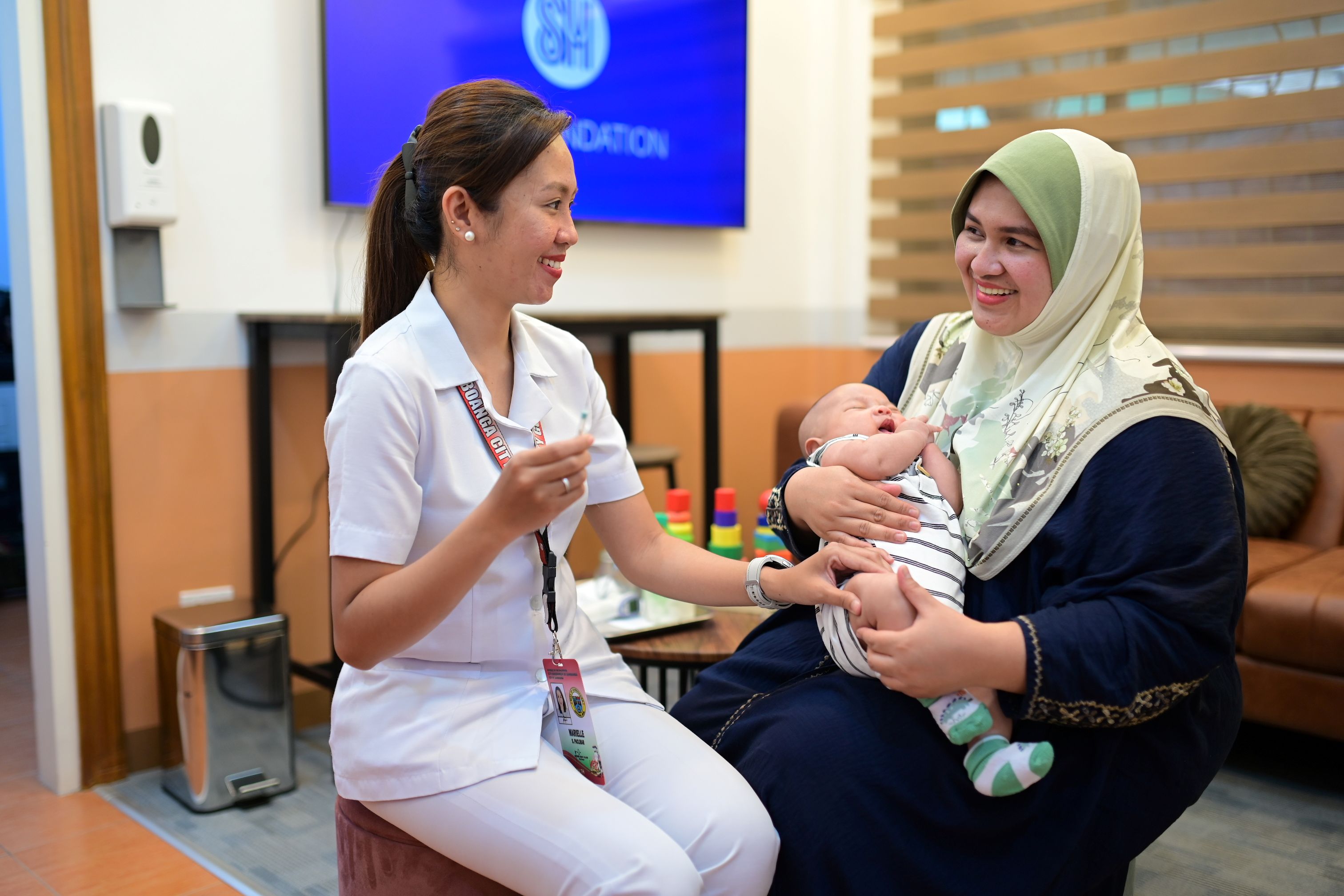
A mother and child inside the improved Putik Health Center, where families receive immunization services.
For Nurse Marielle Paclibar, a young community nurse who has served the area for five years, conversations about vaccines often begin with something a parent saw online.
“May nabasa silang hindi maganda ‘yung vaccine sa baby nila, may mga side effects daw,” she shared. Instead of dismissing these concerns, Nurse Marielle and her colleagues respond with patient explanations. They walk families through how vaccines work and why immunization remains one of the most effective ways to prevent disease.
“‘Yung mga vaccines na binibigay natin sa Putik Health Center ay proven safe dahil ito ay aprobado ng mga experto ng siyensya at dumadaan ito sa masusing pag-aaral at sinusuri ito ng Food and Drug Administration bago gamitin,” she added.
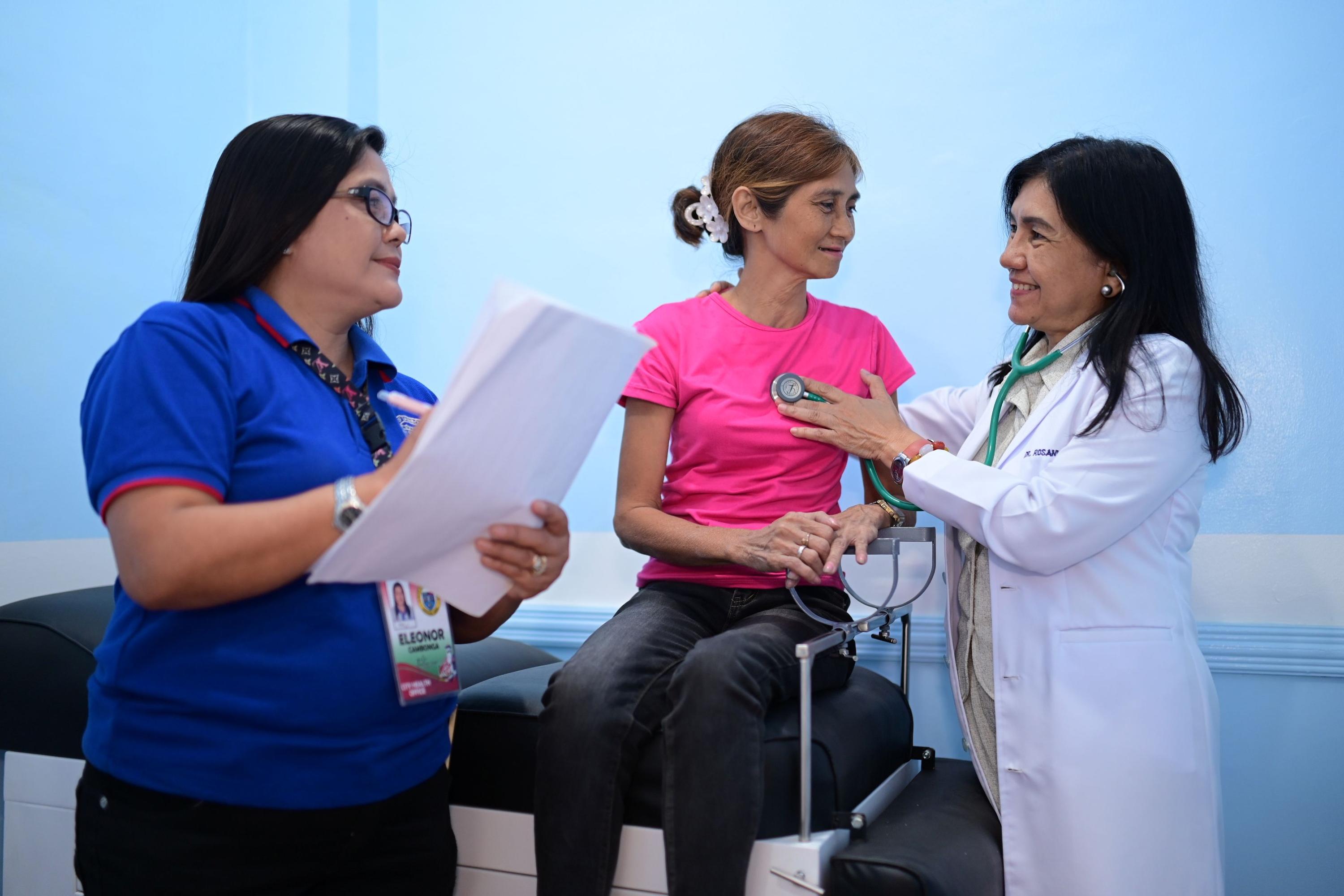
Through open conversations and evidence-based explanations, health workers at Putik Health Center help families separate online misinformation from medical facts.
Putik Health Center supports the Department of Health’s immunization initiatives, including the Measles-Rubella campaign and the Expanded Program on Immunization (EPI), which provides essential vaccines such as BCG, Hepatitis B at birth, Oral Polio Vaccine, Pentavalent Vaccine, PCV, and Measles Mumps Rubella.
According to Dr. Rosanna Arquiza, Medical Officer at the facility, prevention remains the goal. “Kapag nabakunahan, less ang nagkakasakit. At kung magkasakit man, mas mild at hindi komplikado,” she explained.
Most families, she noted, are not refusing care, but they need clarity. Through information drives and house-to-house visits, the health center ensures that concerns are addressed respectfully and backed by science.
As part of the younger generation, Nurse Marielle also reminds fellow netizens to pause before believing or sharing viral claims. “Hindi dapat mag-rely lang sa overhyped posts,” she said. Just because something is trending doesn’t mean it is verified.
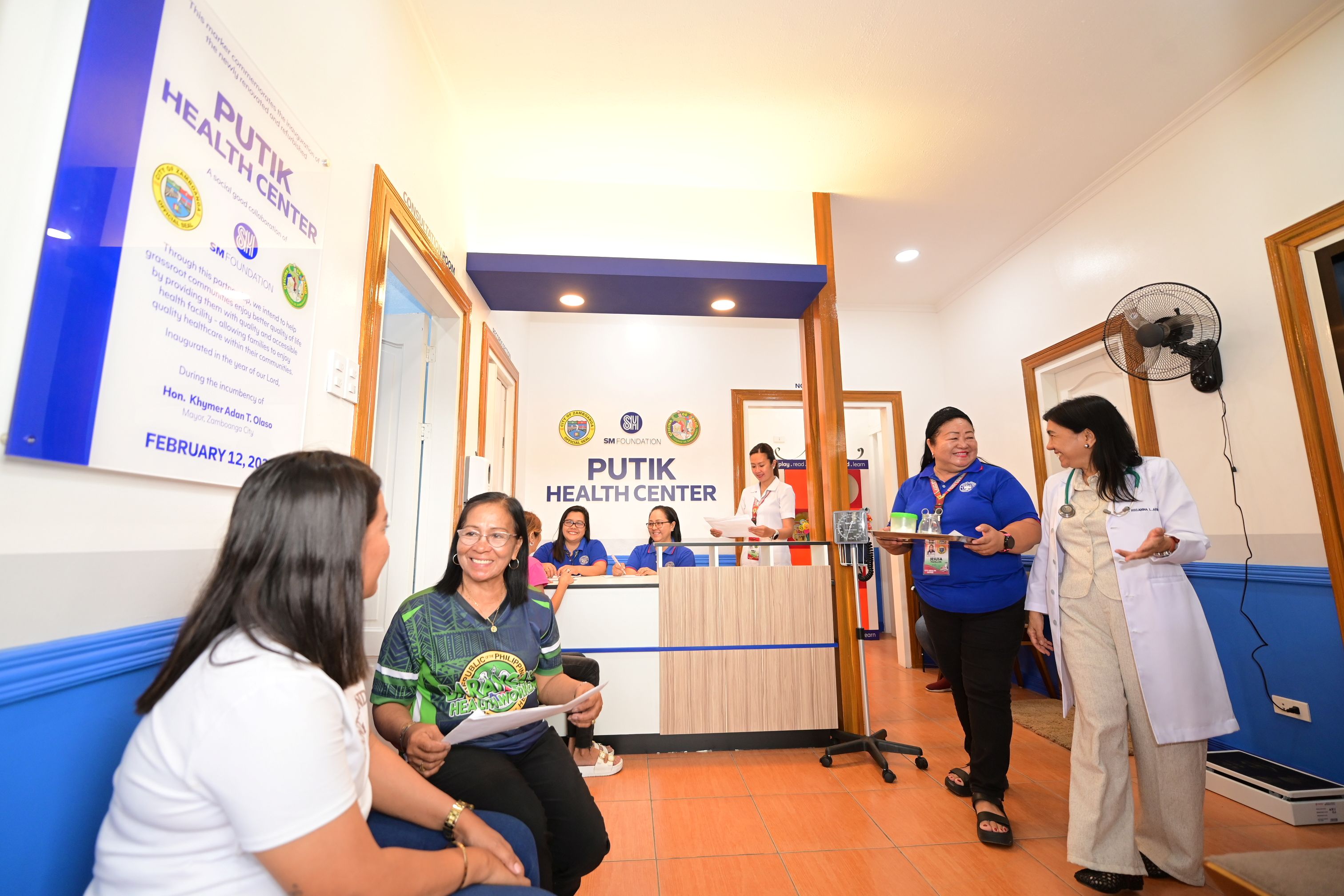
The renovation by SM Foundation aims to make services like EPI, Maternal and Child Health, and Family Planning more accessible.
Before its rehabilitation, the facility faced several limitations, including poor ventilation and cramped patient waiting areas. Through the collaboration of SM Foundation and the local government of Zamboanga City, the upgraded facility now provides a cleaner, more organized, and more comfortable environment for patients and health workers alike. The improved work areas help streamline services and create a more welcoming experience for families seeking prenatal care, family planning, and immunization.
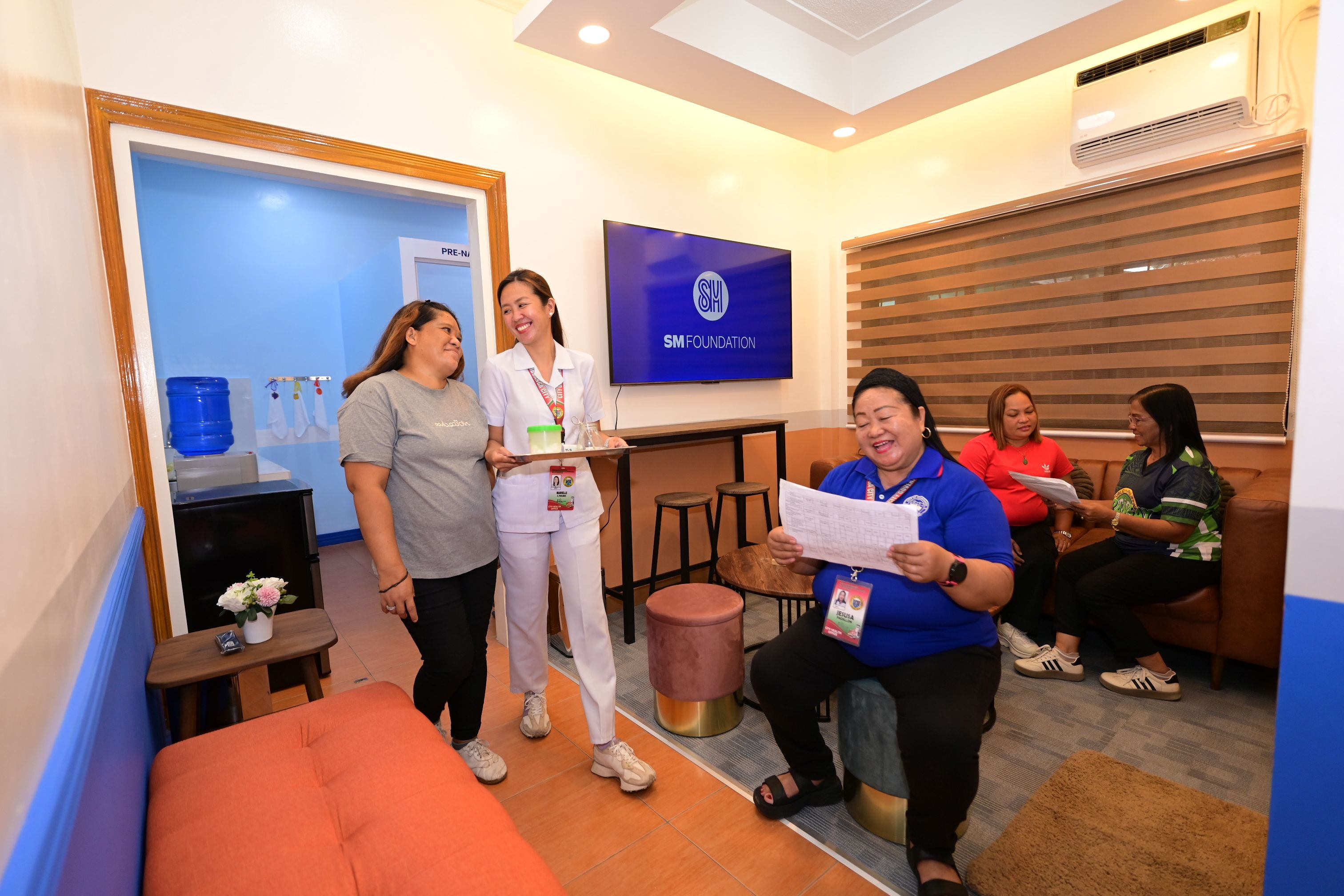
The commitment of Putik Health Center remains clear, addressing misinformation with science, educating the community, and delivering safe, quality care grounded in evidence and compassion.
In communities where trust spreads through word of mouth, a safe and orderly space emphasizes confidence in public healthcare. As Nurse Marielle said, “nagma-matter talaga kasi kung nakikita nila na bago, malinis, and well-equipped. So, sa isip nila maganda ‘yung health services.”
But for Dr. Rosanna, the mission goes beyond infrastructure. “Misinformation in the community was and will always be addressed through proper investigation and by responding based on science and factual information,” she emphasized.
In an era of fast-moving feeds and viral claims, Putik Health Center remains steady, grounded in evidence, education, and a commitment to safe, quality patient care.